
BY TPS STAFF
New Orleans is a city known for its rich history, vibrant culture, and unique architecture. However, few elements of the city are as iconic—or as eerily fascinating—as its cemeteries. Often referred to as “Cities of the Dead,” these above-ground cemeteries are not only famous for their haunting beauty but also for the stories they tell about New Orleans’ past. Let’s take a look behind the scenes of these famed resting places and uncover the history that makes them so integral to the soul of the Crescent City.
Why Above-Ground Tombs?
New Orleans is situated below sea level, and with the city’s high water table, traditional in-ground burials posed a problem. The ground is often too wet, causing coffins to float or become dislodged during heavy rains and flooding. To solve this, New Orleans residents adopted the use of above-ground tombs, a burial style influenced by both the Spanish and French colonists who settled in the region. The Spanish colonial influence is particularly strong, as above-ground burial vaults are a common sight in Mediterranean regions, where similar issues with water exist.
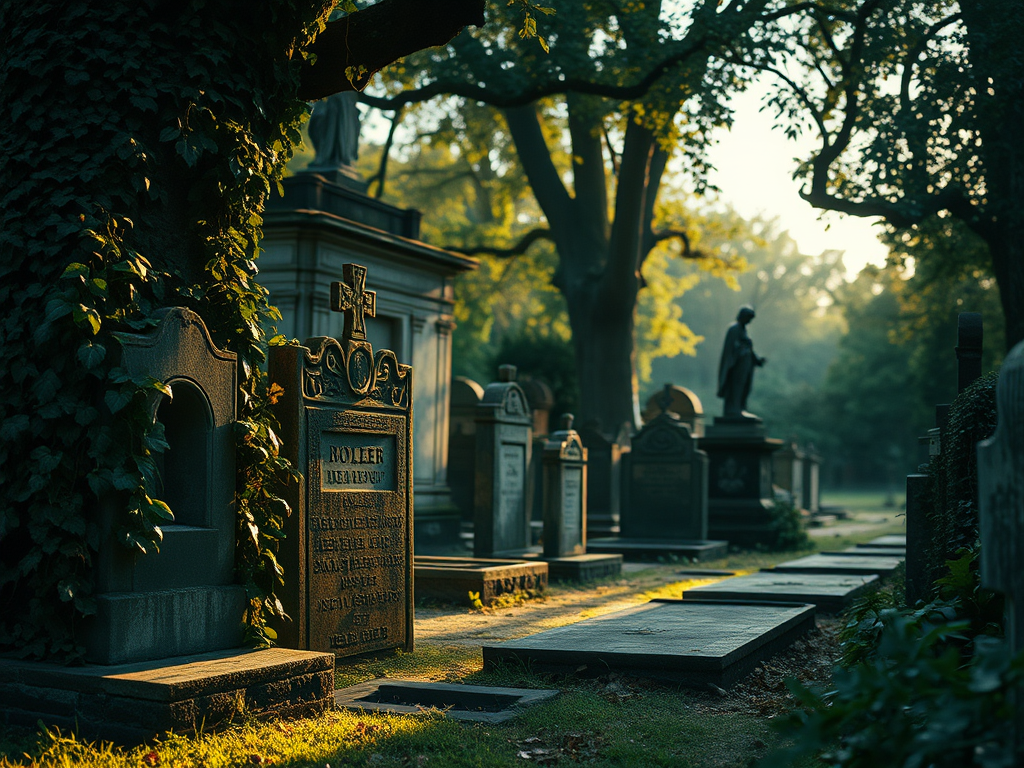
These towering, often ornate tombs are constructed from materials like marble and brick, forming mausoleums that resemble small houses—hence the term “Cities of the Dead.” Walking through these cemeteries feels like walking through a city neighborhood, with “streets” of tombs arranged in neat rows, and each tomb telling its own story.
St. Louis Cemetery No. 1: The Oldest and Most Famous
Perhaps the most famous of New Orleans’ cemeteries is St. Louis Cemetery No. 1, established in 1789. Located just a short walk from the French Quarter, this cemetery is the final resting place of some of the city’s most famous residents. Among them is Marie Laveau, the renowned voodoo queen of New Orleans. Her tomb remains a popular site for visitors who leave offerings and marks of respect, hoping to invoke her spiritual power.
In addition to Laveau, many prominent families from New Orleans’ past are buried in elaborate family vaults that have been maintained for centuries. The tombs in St. Louis No. 1 range from simple stone structures to grand, intricate designs that reflect the social standing of those buried within.
Lafayette Cemetery No. 1: Hollywood’s Favorite
Lafayette Cemetery No. 1, located in the Garden District, is another famous burial ground. Opened in 1833, it is one of the city’s oldest municipal cemeteries. Over the years, it has become a favorite filming location for Hollywood movies and TV shows, thanks to its haunting beauty and iconic above-ground tombs. “Interview with the Vampire” and “Double Jeopardy” are just a few of the productions filmed here.
The cemetery is home to many ornate, 19th-century tombs and holds a rich history tied to the waves of epidemics that swept through New Orleans during the 1800s. Many of the cemetery’s inhabitants were victims of yellow fever and cholera outbreaks, reflecting the tumultuous and often tragic history of the city during that era .
A Unique Tradition: Family Vaults
One of the most unique aspects of New Orleans’ cemeteries is the tradition of family vaults, where multiple generations are buried within the same tomb. These vaults are constructed with the intention of reuse. Typically, after a burial, the remains are left to decompose naturally inside the tomb for at least a year. Once this process is complete, the remains are moved to the lower section of the vault, making room for the next family member.
This practice reflects both practicality and a deep connection to family heritage, with many tombs serving as the final resting place for multiple generations of a single family. Walking through the city’s cemeteries, you’ll notice many of these vaults inscribed with the names and dates of several family members .
Preservation and Challenges
New Orleans’ cemeteries, though stunning and historically significant, face ongoing preservation challenges. The tropical climate, combined with the age of many of the tombs, results in constant wear and tear. Flooding and humidity contribute to structural damage, while vandals and the sheer volume of visitors also pose threats.
Efforts by preservation groups, such as Save Our Cemeteries, are crucial in maintaining these historic sites. Many cemeteries, including St. Louis No. 1, now require visitors to join guided tours to limit the impact of foot traffic and ensure that the burial grounds are respected and protected .
From their distinctive above-ground tombs to their ties to the city’s diverse history, New Orleans’ cemeteries are more than just burial places—they are windows into the past, showcasing the city’s resilience and the legacy of its people. Whether you’re drawn by the spooky ambiance or the historical significance, visiting these “Cities of the Dead” offers a unique perspective on the city’s character and culture.


 The Pelican Star
Leave a comment