
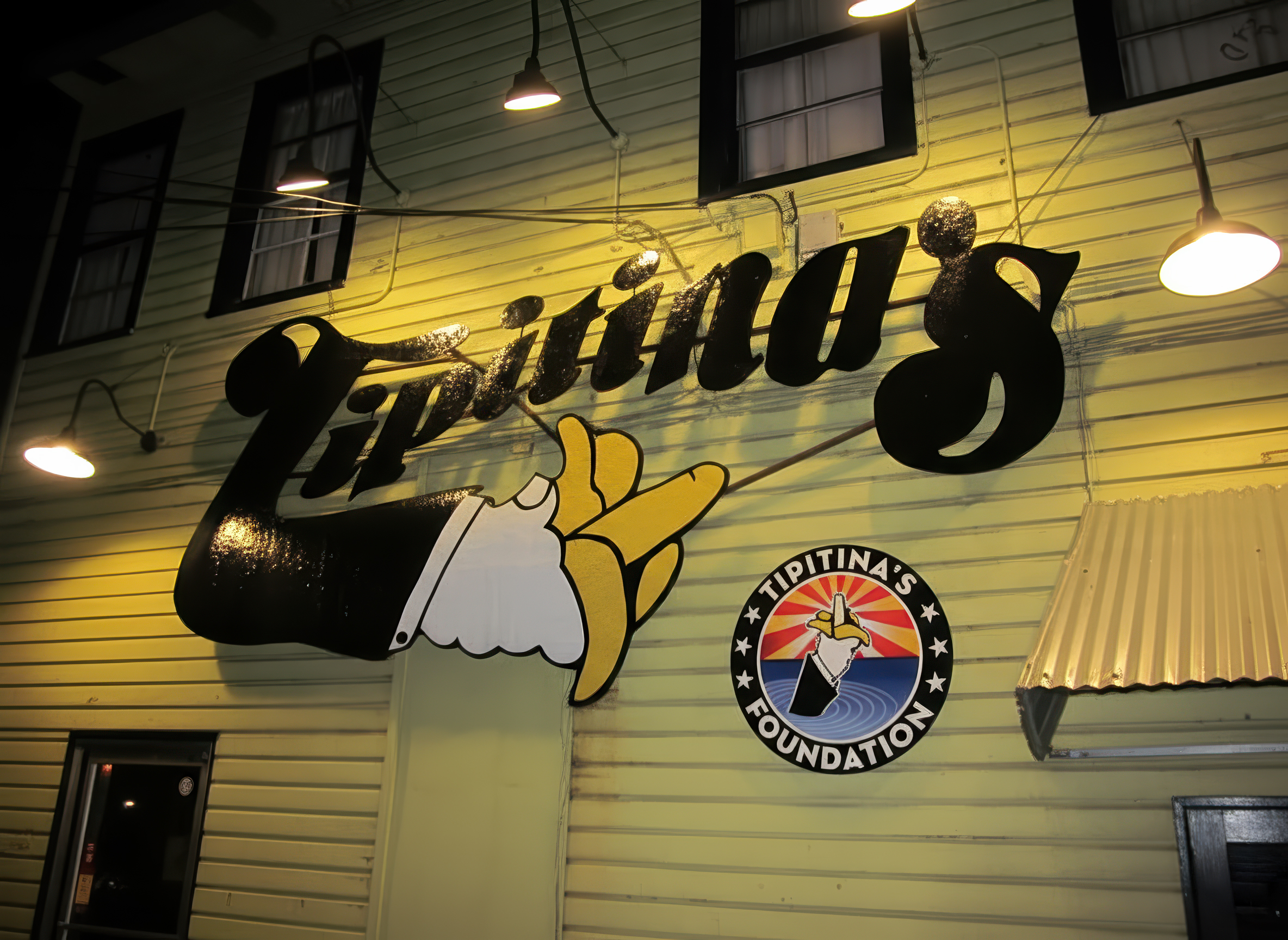
If there’s one venue in New Orleans that captures the city’s musical soul, it’s Tipitina’s. From its humble beginnings to its role as a living institution of funk, R&B, jazz and community, this Uptown club remains a cornerstone of the Crescent City’s soundscape. Here’s an inside look at why Tipitina’s still defines the soul of the city.
A Venue Born for the Music
Tipitina’s opened its doors on January 14, 1977, at 501 Napoleon Avenue & Tchoupitoulas Street in Uptown New Orleans. The building itself dated back to 1912, having previously hosted a gambling house, gymnasium, and even a brothel.
Why the name “Tipitina’s”? It’s a tribute to the song “Tipitina” (1953) by Professor Longhair (Henry Roeland Byrd) one of New Orleans’ greatest piano pioneers. The club was literally founded by a group of music-loving locals who wanted a venue where Professor Longhair could perform in his later years.
From day one, the mission was clear: create a space where local musicians were revered, where the city’s music traditions were respected, and where anything less than full groove wasn’t acceptable.
Roots & Rituals That Matter
1. The vibe and setting.
Tipitina’s retains a juke-joint, neighborhood-bar feel while checking all the boxes of a world-class venue. The mix of wood beam structures, balcony view, close-in stage and that unmistakable energy of New Orleans live music defines the space.
2. The banana logo.
Spot the peeled banana in the logo and you’ll notice one of the venue’s playful touches. The origin? Multiple legends: from a banana warehouse on the site to free bananas handed out at shows in the early days.It’s emblematic of the club’s sense of humor and local rootedness.
3. Honoring “Fess”.
Inside, you’ll find the bust of Professor Longhair, whose influence saturates the room. His rhythm, blending rumba, mambo, blues and boogie-woogie, became a bedrock of New Orleans piano style. It’s a constant reminder of where the club came from — and where it insists the music stays.
A Stage for Local Legends & The Global Rhythm
Over the decades, Tipitina’s has hosted an enormous variety of acts, from local icons to touring legends. It became especially pivotal during the R&B/rock/jazz revival in New Orleans starting in the 1970s.
Here are a few highlights of its ongoing legacy:
- The club played a major role in supporting local stars such as The Neville Brothers, Dr. John and The Meters.
- The funk-jazz outfit Galactic, longtime residents of the club, actually purchased Tipitina’s in December 2018.
- The stage has seen both pilgrimage-style local gatherings and national touring acts, making it a bridge between New Orleans culture and wider music audiences.
Community Impact & Cultural Mission
Tipitina’s has always been more than just a music venue. It’s taken on a role as cultural anchor and community asset.
- The Tipitina’s Foundation (originally established in 1997) focused on preserving and nurturing New Orleans’ musical traditions, providing instruments to school bands, hosting youth workshops and supporting local musicians.
- After the club’s change of ownership, the current owner-group formed the Tip‑It Foundation to carry forward the mission of “supporting and promoting the future of the Gulf South’s music, culture and heritage.”
In a city still reeling and rebuilding after events like Hurricane Katrina, institutions like Tipitina’s matter. They provide continuity, identity and a place where community gathers around art.
Why It Still Defines the Soul of the City
- Authenticity over polish. Unlike a massive arena or a cliché tourist trap, Tipitina’s retains grit, soul and intimacy.
- Anchor to tradition & innovation. It holds onto New Orleans’ musical past while embracing new sounds, new acts and new audiences.
- Neighborhood heartbeat. Located Uptown rather than in the most tourist-heavy downtown zone, the venue still feels local, part of the day-to-day scene.
- Cultural credibility. When you walk in, you sense the legacy, not because it’s marketed loudly, but because the walls, the stage, the crowd feel it.
- Live music as gathering. In a city where live music is woven into daily life, Tipitina’s remains a place where people come not just to see a show, but to participate, to dance, to feel part of something.
Visiting Tips
- Check the calendar early. Shows fill up, and some nights are dedicated to big local traditions (Halloween, Mardi Gras lead-ins, etc.).
- Arrive early. Especially if you want a good floor spot or to catch the opening act.
- Immerse. Don’t just sit, the room invites movement. Even standing on the balcony you’ll feel the full vibe.
- Respect the culture. It’s a vibrant space; energy and respect go together.
- Pair it with the neighborhood. The Uptown location means you can explore nearby bars, restaurants and the broader local scene.
Tipitina’s remains more than a venue. It’s a live piece of New Orleans history, still pulsing with the city’s heartbeat. When the lights dim and the band comes on, you sense that this isn’t just entertainment, it’s part of what this city is.
If you like, I can pull together five legendary Tipitina’s shows (with dates, recordings and stories) that every New Orleans music fan should know.

 The Pelican Star
Leave a comment